Warming up is key to being ready to work and reducing strains. Check out our link for our Stretch and Flex Routine video.

Warming up is key to being ready to work and reducing strains. Check out our link for our Stretch and Flex Routine video.
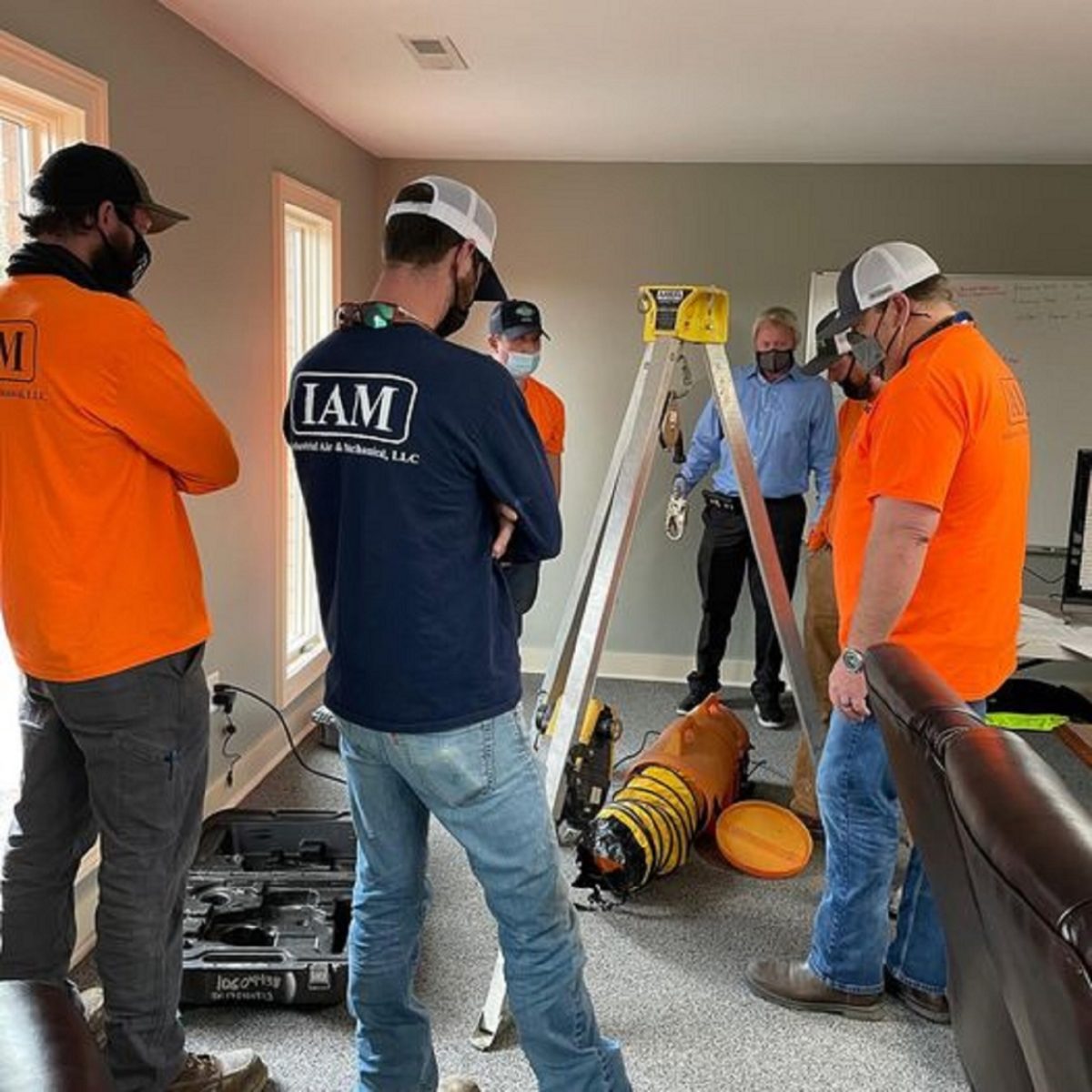
Occupational Safety and Health Administration (OSHA) regulations require all employer-designated confined space entry supervisors and competent persons receive applicable training required in the Confined Spaces in Construction standard found at 29 CFR 1926, Subpart AA. This course is designed to provide training and information about Federal OSHA’s Confined Spaces in Construction standard to affected personnel, their managers, and interested individuals.
Check out our new post for National Ladder Safety Month. Check out the links below to OSHA ladder safety regulations and the NIOSH Ladder Safety App downloadable to iOS or Android devices. NIOSH Ladder Safety App: iOS: https://apps.apple.com/us/app/ladder-safety/id658633912 Android: https://play.google.com/store/apps/details?id=gov.cdc.niosh.dsr.laddersafety&hl=en_US&gl=US
Habits are built in four stages:
Knowing how a habit is formed, steps can be taken to create good habits or to break bad ones.
To create a good habit you need to make the cue obvious, make the craving attractive, the response has to be easy and the reward must be satisfying.
On the flip side, to break a bad habit, the cue needs to be invisible, make the craving unattractive, the response should be difficult and the reward has to be unsatisfying.
For example, if we want to ensure that a worker wears a face shield while grinding, make sure that the danger labels on the tool are legible to help make the cue obvious. Also, ensure workers are trained on what injuries look like when face shields aren’t worn, this can make the craving of not being hurt, attractive. Make sure that every grinder always has a face shield paired with it, this will make the response easy to perform. And lastly be sure to positively recognize workers for wearing their PPE, this can be as simple as a thank you that over time could lead to a larger reward.
So whenever you want to influence behaviors, ask yourself.
Click the link below to watch part 2!
If you did not get a chance to watch part 1, Click here!