
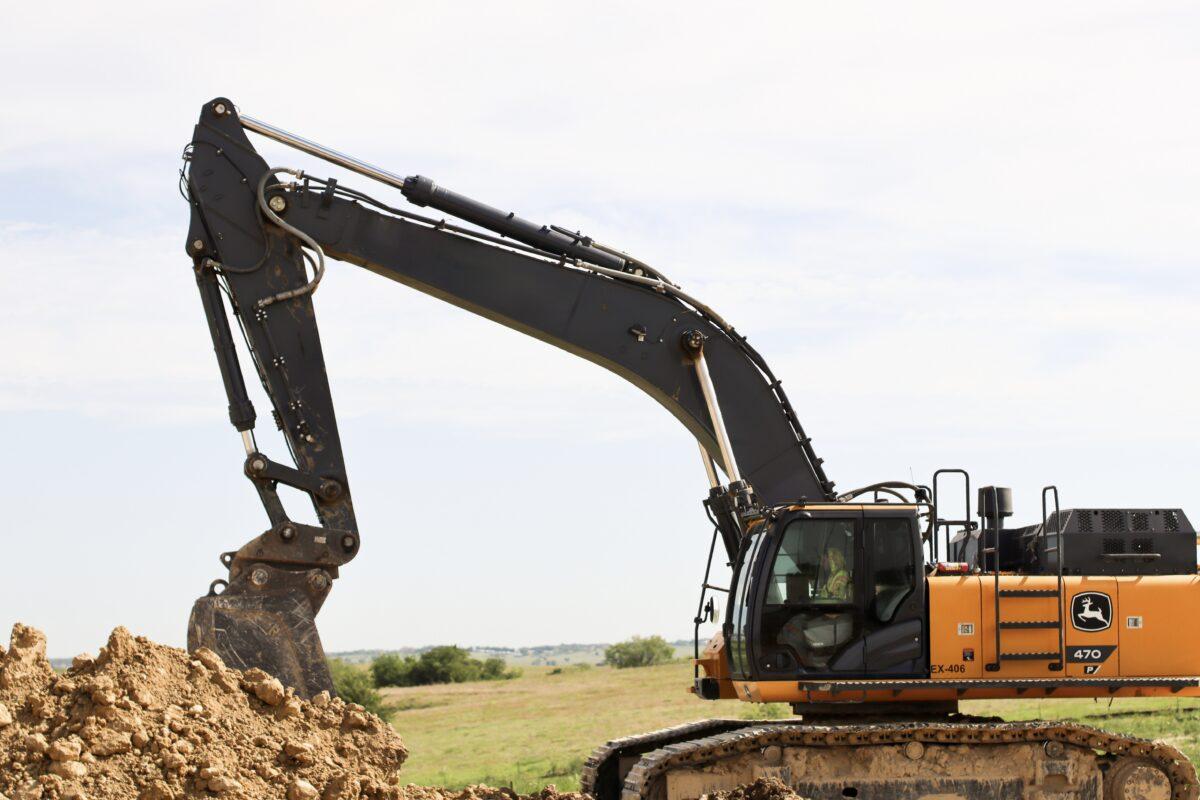
Excavation and trenching operations are among the most hazardous activities in the construction industry. A project may begin with a carefully developed excavation plan, properly selected protective systems, and trained employees. However, as work progresses, conditions within and around the excavation can change.
Soil can become unstable. Water can accumulate. Heavy equipment can move closer to the edge. A trench can become deeper or wider, or nearby work can affect the stability of the excavation.
For construction companies, the challenge is ensuring that safety measures remain appropriate as the jobsite changes.
A plan developed before excavation begins is important, but it should not be treated as a substitute for ongoing inspections, hazard recognition, and employee training.
The question is not simply whether your company has an excavation safety plan. It is whether your team knows how to recognize when conditions have changed and what to do next.
Excavation work is dynamic. The conditions present when a trench is first opened may not be the same conditions workers encounter later that day or the following morning.
Rain can change soil conditions and create additional hazards. Water accumulation may contribute to unstable conditions. Heavy equipment and materials near the excavation edge can affect the surrounding soil. Changes in excavation depth, width, or nearby work can also create new safety concerns.
These changes can affect the stability of the excavation and the protective measures needed to keep employees safe.
For contractors, this means an excavation that was inspected and considered suitable for work earlier in the week may require additional evaluation after a significant weather event or change in site conditions.
Rain can change soil conditions and create additional hazards within an excavation.
Water accumulation may contribute to unstable conditions, and workers may also encounter hazardous atmospheres or unsafe access and egress.
For contractors, this means an excavation that was inspected and considered suitable for work earlier in the week may require additional evaluation after a significant weather event.
Construction equipment, materials, and vehicles can create additional loads near an excavation.
Excavated materials and equipment that could fall or roll into an excavation must be kept at least 2 feet from the edge, or otherwise adequately restrained.
As work progresses, the location of equipment and materials may change. A competent person should evaluate whether these changes affect excavation safety.
Soil conditions are an important part of excavation safety.
OSHA’s excavation requirements address soil classification and the selection of appropriate protective systems. If conditions affecting soil classification change, they must be evaluated by the competent person.
A trench that was initially evaluated under one set of conditions may require a different assessment as excavation progresses.
Excavation dimensions and surrounding work can change as a project moves forward.
Changes in depth, width, location, spoil pile placement, or nearby structures may affect the hazards associated with the excavation.
These changes should be considered as part of the company’s ongoing excavation safety process.
A properly designated competent person is a critical part of an excavation safety program.
A competent person is someone who can identify existing and predictable hazards and has the authority to take prompt corrective measures to eliminate them. For excavation work, the competent person should have the knowledge and training necessary to evaluate soil conditions, protective systems, and applicable requirements.
The competent person is responsible for evaluating excavation conditions and determining whether workers can safely perform their tasks.
This includes inspecting the excavation, adjacent areas, and protective systems for hazards such as:
OSHA requires daily inspections before work begins, as needed throughout the shift, and after rainstorms or other hazard-increasing occurrences when employee exposure can reasonably be anticipated.
If a hazardous condition is identified, the competent person must have the authority to take prompt corrective action, including removing employees from the hazardous area when necessary.
An employee may receive excavation safety training before beginning work on a project. However, training should also help workers recognize changing conditions and understand when to stop and report a concern.
Employees working around excavations should understand how to recognize potential warning signs, follow protective-system requirements, report unsafe conditions, and understand the company’s procedures for addressing hazards.
For construction companies, this means excavation safety training should address more than the basic rules.
Depending on their job responsibilities, employees working around excavations should understand:
Recognizing changing conditions
Workers should know how to recognize potential warning signs, including water accumulation, soil movement, or other conditions that may indicate a hazard.
Understanding protective systems
Employees should understand the protective systems used on their jobsites and the importance of following established procedures.
Knowing when to report a concern
Workers should know who the designated competent person is and how to report a potential hazard.
Understanding access and egress
Workers should know the requirements for safely entering and exiting excavations and the importance of maintaining access routes.
Following stop-work procedures
Employees should understand the company’s procedures for addressing unsafe conditions and when they should stop work and notify supervision.
The specific training required depends on the employee’s duties and exposure to excavation hazards.
Maintaining an effective excavation safety program requires more than developing written procedures. Construction companies also need ongoing support to evaluate jobsite conditions, communicate safety expectations, and provide employees with the knowledge needed to recognize hazards.
CORE Safety Group’s Safe Assist® Program is designed to provide ongoing safety management support for organizations that need additional safety resources.
Through Safe Assist®, CORE becomes an extension of the company’s safety team, providing access to experienced safety professionals and ongoing safety program support.
For construction companies performing excavation and trenching work, this support can help strengthen the processes used to manage changing jobsite conditions.
CORE Safety professionals can conduct onsite safety inspections and audits to help identify potential hazards and evaluate safety practices.
For excavation operations, inspections may help identify areas that require additional attention, such as:
Written reporting and trend analysis can help company leadership understand recurring safety concerns and identify areas where additional support may be needed.
One of the most important ways to support excavation safety is through training that employees and supervisors can apply directly to their work.
CORE provides onsite and online safety training options, including customized safety training tailored to an organization’s needs.
Onsite training can provide an opportunity to discuss excavation hazards in the context of the company’s actual operations, equipment, work activities, and safety procedures.
Training topics may include:
Training should be developed and delivered based on the organization’s operations, employee responsibilities, and applicable requirements.
A written excavation safety program should reflect the organization’s work activities and safety expectations.
CORE can assist with developing and continuously updating company safety programs to align with OSHA policies and recognized best management practices.
As a company’s projects, equipment, and operations change, its safety program may need to be reviewed and updated.
Safe Assist® provides ongoing safety management support to help organizations maintain their safety programs and address changing safety needs.
Excavation safety is not limited to a single project meeting or training session.
Companies may need ongoing assistance with inspections, safety meetings, reporting, training, and program management.
CORE’s Safe Assist® Program provides access to a dedicated Safety Manager and a nationwide team of safety professionals. The program is structured around monthly coverage based on organizational needs.
This can help organizations maintain consistent safety oversight while supporting their ongoing construction operations.
A successful excavation safety program should account for the fact that construction conditions change.
The excavation that was safe to enter yesterday may require a different evaluation today. Weather, soil, equipment, and surrounding work can all affect the hazards present at a jobsite.
For contractors, maintaining safe excavation operations requires ongoing attention to inspections, competent person responsibilities, employee training, and the company’s safety procedures.
A written safety plan is an important starting point. But it must be supported by the people, training, and processes needed to implement it effectively.
CORE Safety Group’s Safe Assist® Program can help organizations strengthen their safety management through onsite inspections, customized training, safety program support, and ongoing access to experienced safety professionals.
If your organization needs additional support managing excavation safety, CORE Safety Group can help.
Contact CORE Safety Group to discuss your safety management needs and learn how Safe Assist® can support your organization.
This article is provided for general informational purposes and is not legal advice. Employers facing an OSHA citation should consult qualified legal counsel regarding their specific circumstances.